Deciding whether to service your boiler or replace it entirely is a common dilemma for UK homeowners. Boilers are essential for heating and hot water, yet they often receive attention only when something goes wrong. Making the right decision can affect household comfort, safety, energy efficiency and long-term costs.
This practical guide explains how to evaluate your current boiler, outlines the benefits of both servicing and replacement, and helps you choose the option that best suits your home and circumstances.
Understanding the Purpose of Boiler Servicing
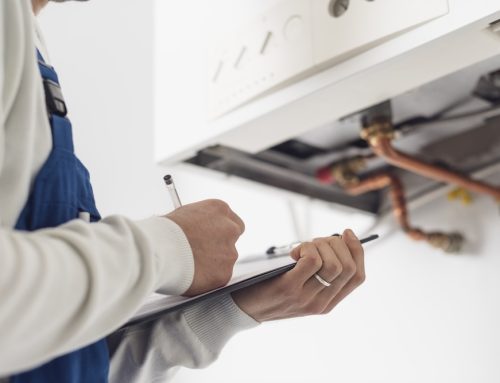
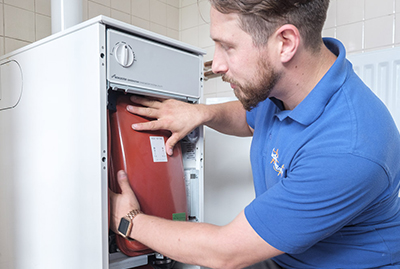
Boiler servicing is an annual maintenance check designed to ensure your boiler is operating safely and efficiently. It involves inspecting, cleaning and testing key components to prevent faults and identify potential issues early.
In the UK, gas boilers must be serviced by an engineer registered with the Gas Safe Register. This guarantees that all safety checks meet legal standards and that the appliance is fit for continued use.
Servicing is particularly valuable for boilers that are still relatively modern and performing reliably, as it helps protect the system and extend its lifespan.
When Boiler Servicing Is the Right Choice
In many cases, regular servicing is the most sensible and cost-effective option. It is usually appropriate if your boiler is under 10 years old and has a good service history.
Benefits of Choosing Servicing
-
Maintains efficiency: A serviced boiler uses less fuel to heat your home
-
Reduces breakdown risk: Early fault detection prevents sudden failures
-
Supports safety: Checks help minimise gas and carbon monoxide risks
-
Protects warranties: Many manufacturers require annual servicing
If your boiler heats your home consistently and repair costs are low, servicing offers excellent value and peace of mind.
Understanding Boiler Replacement
Boiler replacement involves removing an older or inefficient system and installing a new, modern boiler. While this is a larger upfront investment, it can be the more economical decision over time, particularly if your existing boiler is ageing or unreliable.
Most boilers have a lifespan of around 10–15 years. Beyond this point, efficiency declines and faults become more frequent.
When Replacement May Be the Better Option
There are clear signs that replacement may be more practical than continued servicing.
Common Indicators for Replacement
-
Rising energy bills despite regular servicing
-
Frequent breakdowns or repeat repairs
-
Inconsistent heating or hot water
-
Difficulty sourcing spare parts
-
A boiler approaching or exceeding 15 years old
In these situations, ongoing repairs may cost more in the long run than installing a new system.
Comparing Costs: Short-Term vs Long-Term
One of the key factors in deciding between servicing and replacement is cost. Servicing involves a modest annual expense, while replacement requires a higher upfront investment.
However, newer boilers are significantly more energy-efficient. Over time, reduced energy consumption and fewer repair costs can offset the initial installation expense. For many households, this makes replacement a financially sound long-term decision.
Efficiency and Environmental Considerations
Modern boilers are designed to meet current UK energy efficiency standards. They recover more heat from exhaust gases, meaning less energy is wasted.
Improved efficiency offers two key benefits:
-
Lower energy bills through reduced gas usage
-
Reduced environmental impact due to lower carbon emissions
If environmental performance is important to you, upgrading to a newer boiler can be a meaningful improvement.
Safety and Compliance Factors
Safety should always be a priority when dealing with gas appliances. While regular servicing maintains safety, older boilers may not meet modern safety expectations.
New boiler installations must comply with current UK Building Regulations and include enhanced safety features. This can be particularly important for households with children, elderly residents or rental properties.
Impact on Property Value and Comfort
Heating systems play a role in property appeal and valuation. A modern, efficient boiler can be an advantage if you plan to sell your home, as buyers often look favourably on updated heating systems.
From a comfort perspective, newer boilers typically provide:
-
More consistent heating
-
Faster hot water delivery
-
Improved temperature control options
This can significantly enhance day-to-day living.
Making the Right Decision for Your Home
Choosing between boiler servicing and replacement is not about choosing the “best” option overall, but the best option for your situation.
Servicing is ideal if:
-
Your boiler is modern and reliable
-
Repair costs are minimal
-
Energy efficiency is still acceptable
Replacement may be better if:
-
Your boiler is old or inefficient
-
Repairs are frequent or costly
-
You want improved performance and efficiency
A professional assessment by a qualified heating engineer can provide clarity and help you make a confident, informed decision.
Final Thoughts
Boiler servicing and boiler replacement both play important roles in maintaining a safe and comfortable home. Servicing protects and prolongs an existing system, while replacement offers improved efficiency, reliability and compliance when a boiler reaches the end of its useful life.
By understanding the condition of your boiler and weighing short-term costs against long-term benefits, you can choose the option that delivers the best value, safety and comfort for your household.