February is often the coldest month of the year in Kent. While January can feel bleak, it is usually February that truly tests your heating system. Long nights, icy mornings and unpredictable cold snaps mean your boiler must work harder than ever to keep your home warm.
If your boiler is not properly prepared, February is the month when hidden faults often surface. Taking time to carry out a few essential checks can help you avoid waking up to a freezing house or an emergency call-out when engineers are busiest.
Why February Is So Tough on Boilers
By February, your boiler has already been running intensively for weeks. Components are under strain, water pressure may fluctuate, and any dirt or debris inside the system will have had time to build up.
Unlike earlier in winter, when systems are just starting to be used heavily, February is when wear and tear finally catches up. This is why so many breakdowns happen in late winter rather than at the start of the cold season.
Check Your Boiler Pressure
One of the simplest but most important checks is your boiler’s water pressure. Low pressure can stop your heating system from working effectively, leaving radiators lukewarm or completely cold.
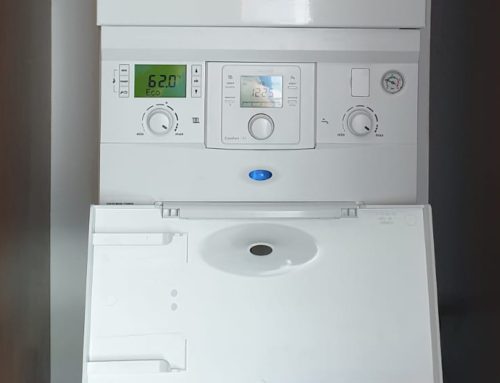
Most boilers have a pressure gauge on the front. Ideally, it should read between 1 and 2 bar when the system is cold. If it is below this range, your boiler may struggle to circulate hot water properly.
If you are unsure how to top up the pressure safely, it is best to contact a professional rather than risk damaging the system.
Listen for Unusual Noises
Your boiler should operate quietly in the background. If you begin to hear banging, whistling, gurgling or humming sounds, this is often a sign that something is wrong.
These noises can indicate trapped air, sludge build-up or failing components. Ignoring them rarely makes them disappear and often leads to a more serious fault later in the season.
Check How Quickly Your Radiators Heat Up
During a February cold snap, your radiators should warm up evenly and quickly. If some rooms take far longer to heat or certain radiators stay cold at the bottom, this may suggest a circulation issue or the presence of sludge.
Poor circulation forces your boiler to work harder, increasing the likelihood of breakdowns and raising your energy bills.
Monitor Your Energy Bills
If your heating costs suddenly increase in February despite using your system in the same way, your boiler may be losing efficiency. This can happen when parts are worn, dirty or misaligned.
Rising bills are often one of the first signs that maintenance is overdue.
Test Your Hot Water Supply
Cold weather puts extra strain on the hot water side of your system as well as your heating. Check that hot water is delivered consistently and at a stable temperature.
Fluctuating water temperatures or reduced pressure are warning signs that should not be ignored, particularly in the coldest part of the year.
Check the Boiler’s External Pipework
Some parts of your heating system are exposed to outdoor temperatures, including condensate pipes and external pipework. During February cold snaps, these can freeze and cause your boiler to shut down.
Visually check for any obvious signs of freezing or damage. If you notice a frozen pipe, do not attempt to thaw it with boiling water, as this can cause it to crack.
When to Call a Professional
While some basic checks can be carried out safely by homeowners, many tasks should only be performed by qualified engineers. If your boiler shows persistent warning signs, it is best to seek professional advice before the system fails completely.
Engineers can identify developing faults, clean internal components and ensure your boiler is fully prepared to handle the remainder of winter.
Preventing a February Breakdown
Preparation is the key to staying warm in February. Regular servicing combined with attentive monitoring during cold weather can prevent most common breakdowns.
A boiler that has been professionally checked is far less likely to let you down during the harshest weeks of winter.
Stay Ahead of the Cold
Winter does not end in January. February often delivers the toughest conditions of the season, and your boiler needs to be ready.
Taking a few simple steps now can protect your comfort, reduce repair costs and ensure your home stays warm when it matters most.